Concrete Repair vs Replacement: Which Is the Better Option?
For concrete repair vs replacement, local service providers can assess your needs and recommend the best solution to restore or upgrade your concrete surfaces effectively.
Property owners exploring options for addressing damaged or aging concrete often face the decision between repair and replacement. Understanding which approach makes the most sense can help save time, money, and effort in the long run. Whether dealing with cracked driveways, uneven patios, or deteriorating foundations, local contractors specializing in concrete repair and replacement can assess the specific needs of each project, providing practical solutions tailored to the situation.
This topic is especially relevant for those seeking durable, cost-effective ways to maintain or improve their property’s value and safety. By delving into the differences between concrete repair and replacement, readers can gain insights into when a simple fix might suffice or when a full replacement is necessary. Staying informed about these options can empower property owners to make confident decisions, with the assistance of experienced service providers who can deliver the appropriate concrete solutions.
- Concrete repair services are suitable for surfaces with minor cracks or surface damage where local contractors can restore the integrity without full replacement. When concrete is severely deteriorated or structurally compromised, local service providers often recommend replacement to ensure safety and longevity. For older concrete with surface staining or aesthetic issues, repair may be enough, while replacement is better for extensive damage or outdated structures. Local pros evaluate the extent of damage to determine if repair can effectively address issues or if a full replacement is necessary. Comparing concrete repair vs replacement helps homeowners decide which approach best fits their specific condition and goals.

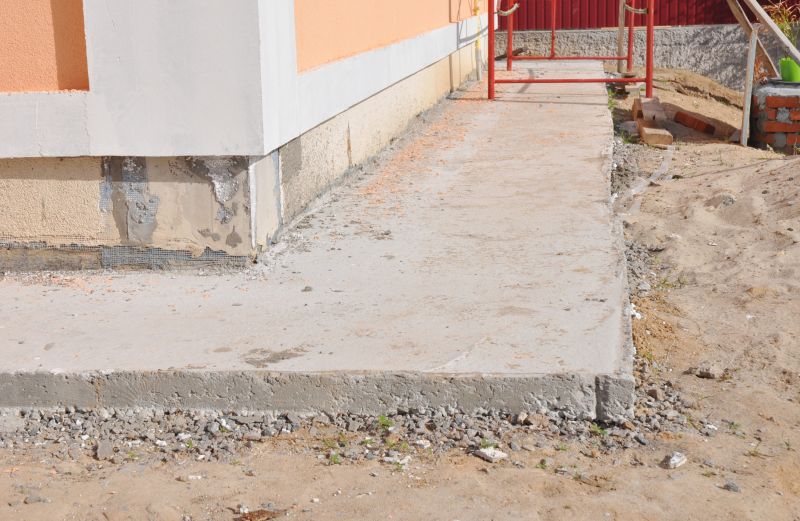
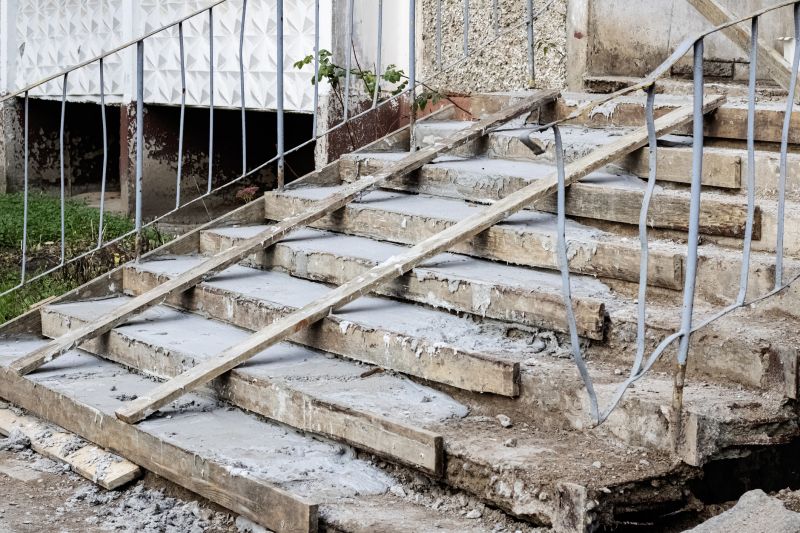
When homeowners search for information about concrete repair versus replacement, they are typically trying to determine the most practical and cost-effective way to address issues with their existing concrete surfaces. This topic often comes up when concrete slabs, driveways, patios, or walkways develop visible damage, such as cracks, spalling, or uneven surfaces. People want to understand whether a simple repair can restore the concrete’s appearance and functionality or if a full replacement is necessary. The goal is to find a solution that prolongs the life of the concrete, minimizes disruption, and fits within their overall property improvement plans.
Concrete repair and replacement are connected to a variety of property types and project goals. Residential properties frequently encounter these issues on driveways, garage floors, patios, and walkways, where cracks or surface deterioration can impact safety and curb appeal. Commercial properties, such as parking lots, storefront entrances, or industrial floors, also face similar challenges but often require more durable solutions to withstand higher traffic. In both cases, property owners are weighing whether localized repairs-such as patching or sealing-will suffice or if more extensive work, like removing and replacing entire slabs, is warranted. The decision depends on the severity of damage, the age of the concrete, and the long-term plans for the property.
The decision between concrete repair and replacement hinges on several practical considerations. Repair options, including crack filling, patching, or surface sealing, are usually suitable for minor damage and can be completed more quickly and at a lower cost. These solutions are often preferred when the concrete is structurally sound but has surface imperfections. Conversely, replacement is generally recommended when damage is widespread, the concrete has structural issues, or the surface has deteriorated beyond simple repair. Local contractors who specialize in concrete work can assess the condition of the existing concrete and recommend the most appropriate approach, ensuring that the chosen solution aligns with the property’s needs and future plans.
Understanding the differences between concrete repair and replacement helps property owners make informed decisions that match their specific projects. Local service providers can evaluate the extent of damage, provide guidance on whether a repair or replacement is most suitable, and execute the chosen solution efficiently. Whether the goal is to extend the lifespan of an existing slab or to replace it for aesthetic or functional reasons, connecting with experienced concrete specialists ensures the work is done properly. This approach helps maintain the property’s value and safety while avoiding unnecessary expenses or future issues.
Foundation Repair - foundation repair projects require assessment of concrete stability and may involve repair or replacement, similar to concrete repair vs replacement decisions.
Driveway Resurfacing - driveway resurfacing involves surface preparation and repair techniques comparable to concrete repair methods used before considering full replacement.
Patio Restoration - restoring or upgrading patios often requires concrete repairs or overlays, aligning with skills needed for concrete repair vs replacement services.
Sidewalk Repair - sidewalk repair projects focus on fixing cracks and uneven surfaces, utilizing planning and tools similar to those in concrete repair tasks.
Garage Floor Coatings - applying coatings to garage floors involves surface prep and repair, paralleling the techniques used in concrete repair vs replacement decisions.
Industrial Concrete Maintenance - maintaining large-scale concrete structures involves repair strategies that mirror those used in concrete repair vs replacement projects.
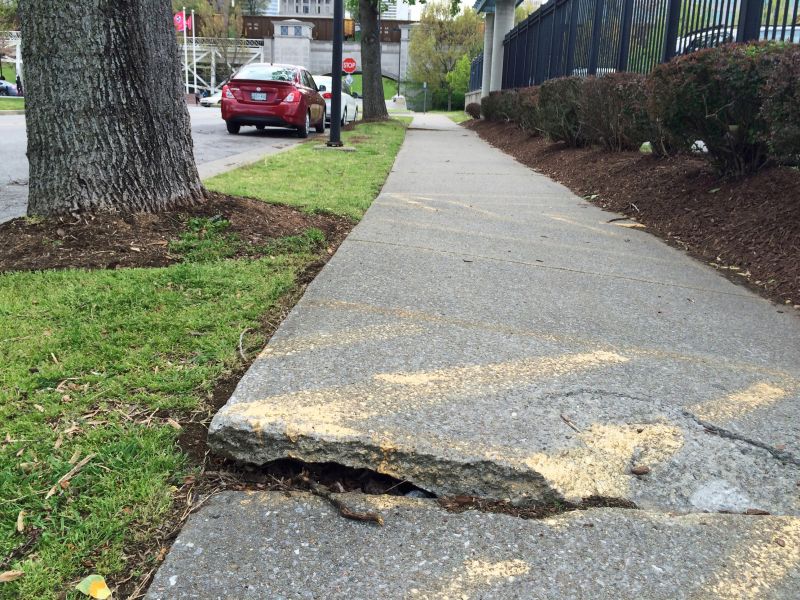
When evaluating concrete repair versus replacement, it’s important to consider the experience of local contractors with similar projects. Homeowners should look for service providers who have a proven track record in handling concrete issues comparable to their own, whether it involves cracks, uneven surfaces, or structural concerns. Asking about previous work or requesting references can help gauge a contractor’s familiarity with the specific challenges and solutions relevant to concrete repair or replacement. An experienced contractor will understand the nuances of different concrete conditions and be better equipped to recommend the most effective and appropriate approach.
Clear communication and well-defined expectations are essential when choosing between repair and replacement options. Reputable service providers should be able to clearly explain the scope of work, the methods they plan to use, and the potential outcomes of each option. This transparency helps homeowners make informed decisions based on their needs and the condition of their concrete. A contractor who provides detailed explanations and answers questions thoroughly can help ensure that expectations are realistic and that the chosen solution aligns with the homeowner’s goals.
Reputable local contractors also prioritize good communication and maintaining positive working relationships. When comparing service providers, homeowners should seek out those who are responsive, transparent, and willing to discuss different options openly. References or reviews that highlight consistent communication and professionalism can be valuable indicators of a contractor’s reliability. Overall, selecting a contractor who demonstrates clear, honest communication and has a reputation for quality work can make the decision between concrete repair and replacement more straightforward and confident.
Property owners often search for concrete repair vs replacement: which is the better option? when they are planning practical projects around their homes and businesses. Local pros provide Concrete Repair or Replacement services for everyday jobs and straightforward project options.
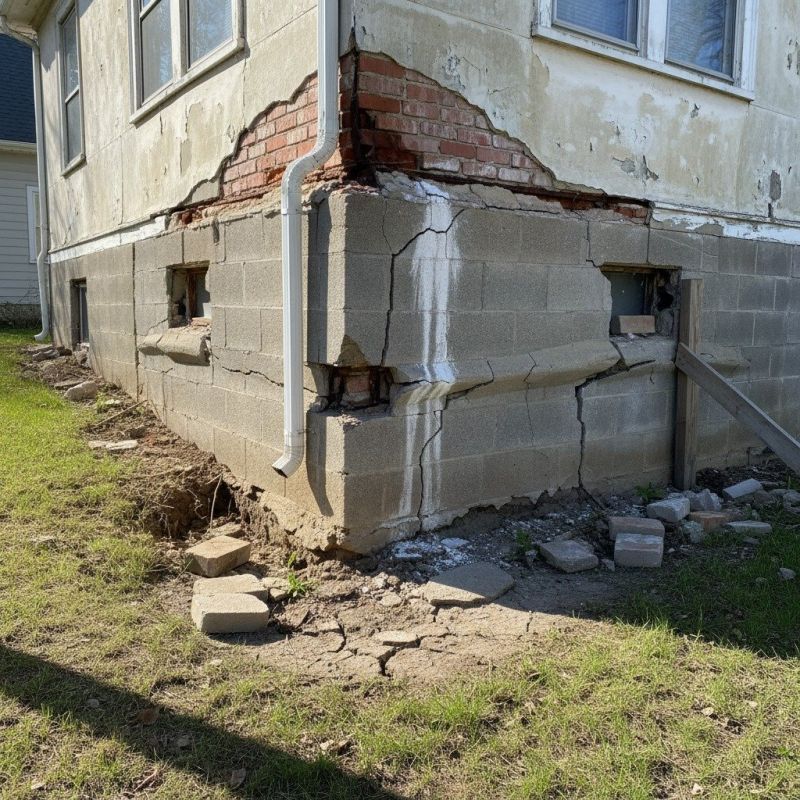
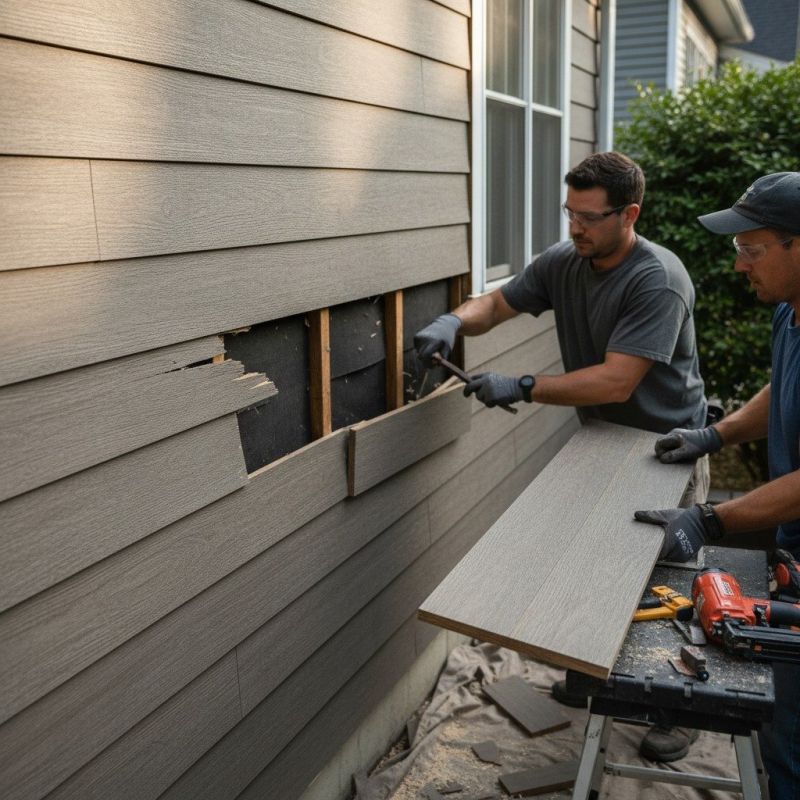
When property owners notice cracks, uneven surfaces, or other signs of deterioration in their concrete, they often wonder whether repair or replacement is the better choice. For many, concrete repair services offered by local contractors provide a practical solution that can restore the surface’s appearance and functionality without the need for a full replacement. Repair options are typically quicker and less disruptive, making them suitable for addressing specific issues like small cracks or surface spalling on driveways, patios, or walkways. Homeowners and business owners alike turn to local service providers to evaluate the extent of damage and recommend whether a simple repair will suffice or if a more extensive replacement might be necessary.
In situations where concrete has suffered severe damage, such as deep cracks, significant settling, or widespread deterioration, replacement may be considered a more effective long-term solution. Local contractors can assess whether repair methods will hold or if the underlying issues require removing and replacing the entire slab. For many property owners, understanding the difference between concrete repair vs replacement helps make informed decisions based on the condition of their surfaces and their goals for durability and appearance. Whether opting for repairs or replacements, connecting with experienced local service providers ensures that the work is handled appropriately and efficiently.
When should concrete repair be considered instead of replacement? Concrete repair is typically suitable when damage is limited to surface cracks, minor spalling, or small sections, allowing for restoration without removing the entire slab. Local contractors can assess the extent of damage to determine the most effective solution.
Is replacement necessary if concrete is heavily cracked or broken? Not necessarily. While extensive cracking or breaking may suggest replacement, some local service providers can perform specialized repairs or overlays that extend the lifespan of existing concrete, potentially avoiding full replacement.
How do local pros decide between repairing or replacing concrete? They evaluate factors such as the severity and type of damage, the age of the concrete, and the structural integrity of the slab to recommend the most practical and durable option for the property.
Can concrete repair restore the appearance of damaged concrete? Yes, many repair methods can improve the look of damaged concrete, including patching, resurfacing, or staining, which local contractors can perform to match existing surfaces.
What are the advantages of choosing repair over replacement? Repair often involves less disruption, lower cost, and quicker completion, making it a practical choice when damage is manageable. Local service providers can help determine if repair is sufficient for long-term durability.
Assessing damage and deciding between repair or replacement - property owners can evaluate cracks, stains, or uneven surfaces to determine if local contractors recommend repairs or full replacement.
Understanding the benefits of concrete repair services - for minor cracks or surface issues, property owners might opt for repairs to extend the lifespan of existing concrete with help from local service providers.
When replacement becomes necessary - in cases of extensive deterioration or structural concerns, property owners may need to consider full concrete replacement with guidance from local contractors.
Planning for long-term durability - property owners can work with local pros to choose the most appropriate option based on the age, condition, and intended use of the concrete surface.
If you are thinking about concrete repair vs replacement: which is the better option? for a property, this guide is meant to help you understand this topic, the typical project types, and how different options might fit your plans.
When you are ready, you can use the quote form on this page to share a few details about your project. From there, local pros can review the basics and follow up with options that match what you have in mind.